Each language gets its own pages
Give every language its own address, for example /el/ for Greek, so Google can show the Greek page to people who search in Greek. A language switch that changes the words without changing the address hides one language from Google.
Written, not machine-translated
Automatic translation reads like automatic translation, and customers notice. Each language needs texts written for the people who read them, including the page titles and the short descriptions Google shows.
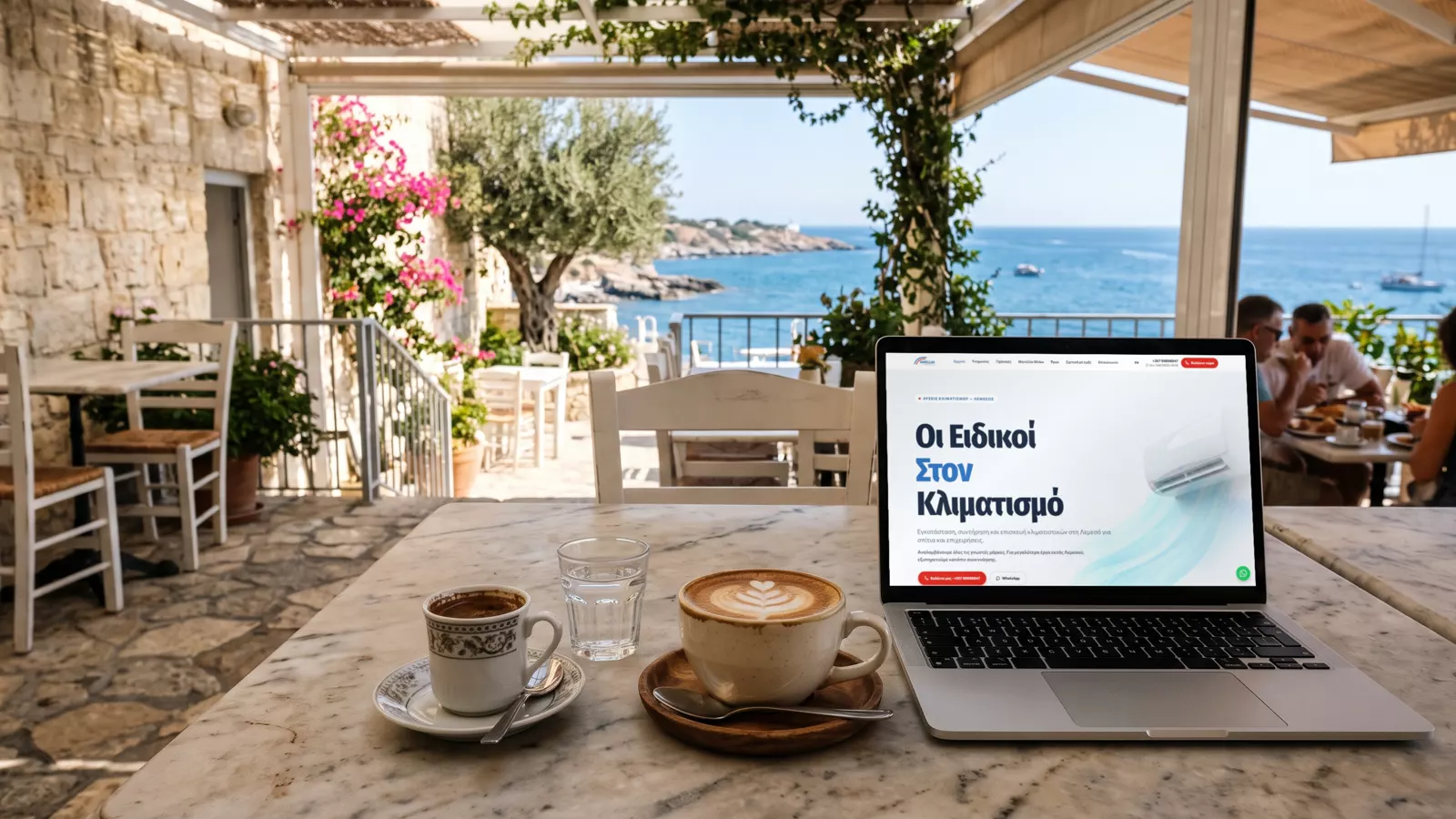
Different words, not just different letters
People search differently in each language. In Greek, "κατασκευή ιστοσελίδων" is far more common than a word-for-word translation of "web design". Research the searches in each language separately. See SEO for small businesses in Cyprus.
The details that matter
- Tell Google which page is which language, so the right version appears in the right search.
- Translate everything a visitor sees: buttons, forms, error messages, the cookie banner and the legal pages.
- Keep prices, phone numbers and opening hours the same in every language.
- Use a font that has proper Greek letters, so Greek doesn't fall back to a different, plainer font.
- Let people switch language on every page, landing on the same page in the other language.
More languages later
Russian, Hebrew and other languages can follow, starting with the pages that bring customers. Add a language when you can answer customers in it.